Free Coding Resources for Kids

The best free platforms, tools, and courses for learning to code — hand-picked for kids and beginners. Start with Scratch, level up to Python, and keep going from there.

Resource Age Range Language Self-Paced Free?
Scratch7–12Block-based
Code.org6+Block & Text
Codecademy12+Python / JSFree tier
Replit10+Python & MoreFree tier
CS50G (Harvard)15+Multiple
freeCodeCamp13+HTML/CSS/JS
Khan Academy10+JS / HTML
🐱
MIT's free block-based programming platform. Drag and drop code blocks to make games, animations, and interactive stories — no typing required. Over 100 million users. Active community where kids share and remix each other's projects. No account needed to start. The #1 recommended first step for ages 7–12 learning to code.
Ages 7–12 Block Coding Games & Animation No Install Free
💻
Free online coding courses for students K–12. Covers Scratch-style block coding, JavaScript, Python, and more. Partners with schools worldwide. "Hour of Code" activities are fun, themed 1-hour intro projects (Star Wars, Minecraft, etc.). Teacher resources available for classrooms. A gentle, structured introduction to programming for all ages.
Ages 6+ Block & Text Self-Paced Free
🔵
Free coding curriculum from Google using Scratch. Organized into themed units: game design, storytelling, sports, music, art, and more. Each unit has video lessons and step-by-step projects. Used in classrooms and after-school programs worldwide. Great for structured, project-based learning with clear guidance.
Ages 9–14 Scratch Structured Free
🎓
Free interactive Python course directly in the browser — no install needed. Type code and see output immediately. Covers variables, loops, functions, lists, dictionaries, and more. One of the best ways to learn Python syntax through practice. The free tier is substantial and covers the core language.
Ages 12+ Python Interactive Free Tier
📚
Free online book teaching practical Python. Projects include file automation, web scraping, working with PDFs and spreadsheets, and more. Written in clear, approachable language. Great for older kids and teens who want to go beyond games and build real, useful tools. Also available as a paid print book.
Ages 14+ Python Free Book Free Online
Free online code editor that runs Python and 50+ languages directly in the browser — no install required. Works on any device including Chromebook. Great for writing and sharing Python projects. Built-in community, beginner tutorials, and a multiplayer coding mode for collaboration. The fastest way to go from idea to running code.
Ages 10+ Python & More Browser IDE Free Tier
🏭
Harvard University's free game development course. Covers Lua/LÖVE, Unity, and core game design theory. Includes problem sets and hands-on projects covering platformers, RPGs, puzzle games, and more. One of the best free university-level game dev resources available anywhere in the world. Free certificate available.
Ages 15+ Game Dev Self-Paced Free Certificate
🎮
Free tutorials for the GDevelop game engine — a no-code 2D game maker. Step-by-step projects for platformers, top-down games, and mobile games. Beginner-friendly with both video and written guides. Great for kids who want to make real, playable games without writing code first.
Ages 10+ No-Code Game Dev Free
🔥
Free, non-profit coding curriculum covering HTML, CSS, JavaScript, Python, and data science. Fully self-paced with verified certificates. Used by millions to learn to code and change careers. Excellent for teens who are serious about learning web development. Each certification track includes hundreds of hours of content and real projects.
Ages 13+ HTML/CSS/JS Python Comprehensive Free
🟩
Free coding lessons from Khan Academy covering HTML/CSS, JavaScript, SQL, and algorithms. Video-based lessons with interactive practice exercises. Great for structured, classroom-style learning at your own pace. Tracks your progress and awards points and badges. Trusted by schools and parents worldwide.
Ages 10+ JavaScript HTML/CSS Video Lessons Free
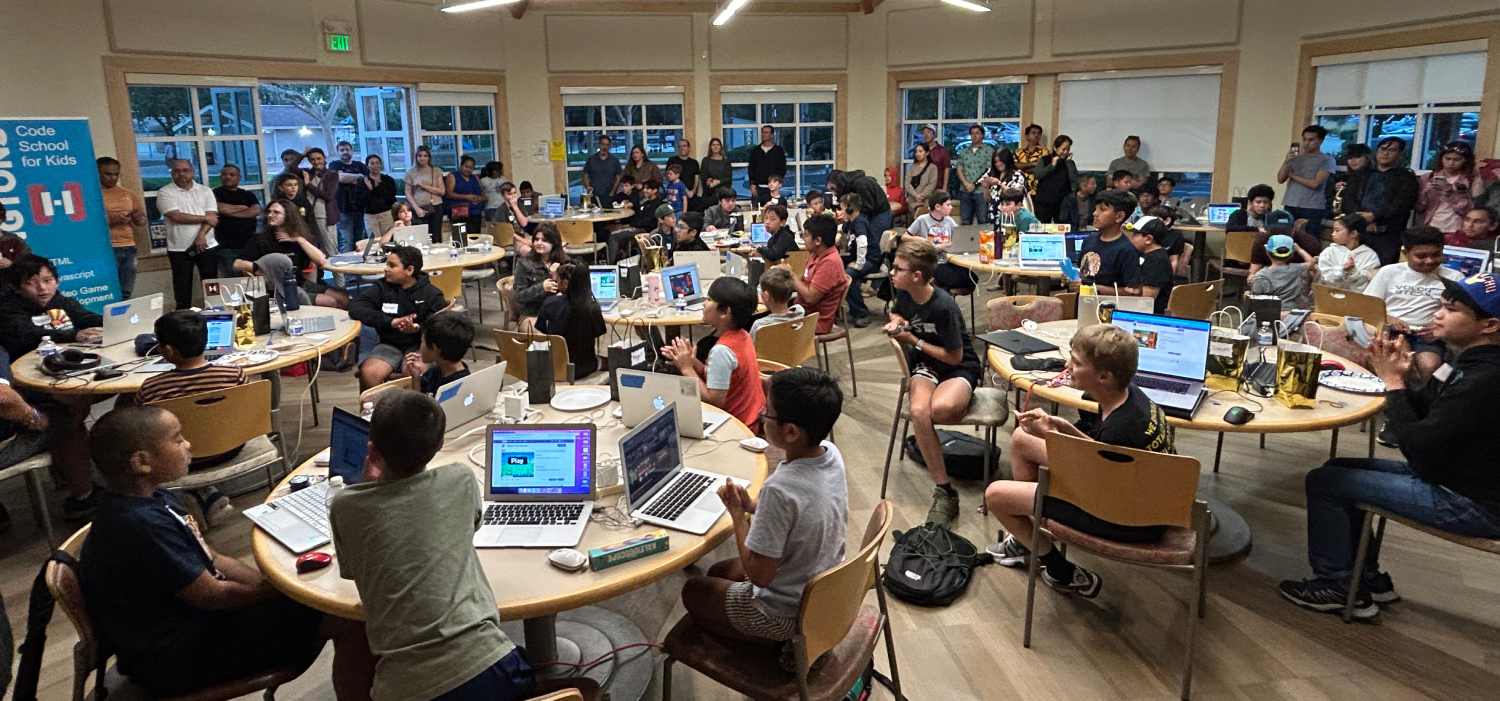
Hackingtons500 coding competition

Made with love by your friends at Hackingtons

How Kids Learn to Code

The most effective path for most kids goes from visual to text-based coding:

  • Visual / block coding — Scratch and Code.org let kids think about logic without worrying about syntax. This builds problem-solving instincts before adding the complexity of a real language.
  • Text-based coding (Python) — Python's readable syntax makes the jump from blocks to real code less intimidating. Kids who have used Scratch often find Python's concepts familiar.
  • Specialization — Once comfortable with Python, kids branch into what excites them: game dev (Pygame, Godot), web dev (HTML/CSS/JS), data science, AI, or app development.

The key at every stage is building things — real projects that work. Drills and exercises alone don't teach coding. Projects do.

Python vs. JavaScript — Which Should Kids Learn?

Python is better for most beginners:

  • Cleaner, more readable syntax — less punctuation to get wrong
  • Used in game dev (Pygame), data science, AI, and automation
  • One of the most in-demand programming languages in the world

JavaScript is better if you want to build for the web:

  • The only language that runs natively in web browsers
  • Required for interactive websites and web games
  • Messier syntax than Python but powerful for web projects

If you're not sure — start with Python. You can always learn JavaScript later, and the logic transfers directly.

Tips for Parents Helping Kids Learn to Code

  • Let them drive: Resist the urge to take over when they're stuck. Struggling through a bug is where real learning happens. Offer hints, not solutions.
  • Support projects, not just lessons: A kid who builds a Scratch game they're proud of will learn more than one who completes 10 tutorial modules.
  • Make it social: Coding clubs, game jams, and classes like Hackingtons let kids learn alongside peers — which makes persistence much easier.
  • Celebrate small wins: Their first working game, first bug fixed, first website published — these moments matter. Celebrate them.

Frequently Asked Questions

What age should kids start learning to code?

As early as 5–6 with visual tools like ScratchJr. Age 7–8 is great for Scratch. Ages 10–12 can start Python or JavaScript. There's no upper limit — it's never too late to start coding.

What is the best coding language for kids to learn first?

Scratch (block-based) for young kids not ready for text coding. Python for ages 10+ — clean syntax, used in game dev, data science, and AI. Python is widely considered the best first text-based programming language.

How long does it take to learn to code?

You can build something fun in a few hours. Getting comfortable takes months of regular practice. The good news is every step is rewarding — you're always creating something real.

Do kids need a powerful computer to learn coding?

No. Scratch, Code.org, Replit, and Khan Academy all run in the browser and work on Chromebooks, older laptops, and tablets. You don't need a gaming PC to learn to code.

Is coding a good skill for kids to learn?

Yes — coding teaches logical thinking, problem-solving, and creativity. It opens doors to game development, app development, robotics, AI, data science, and more. It's one of the most valuable skills a young person can build today.

What is Python used for?

Games (Pygame), websites (Django, Flask), machine learning and AI, data science, automation, and general scripting. Python is the most versatile beginner language and one of the most-used in the world.

More Free Coding Tools & Resources